
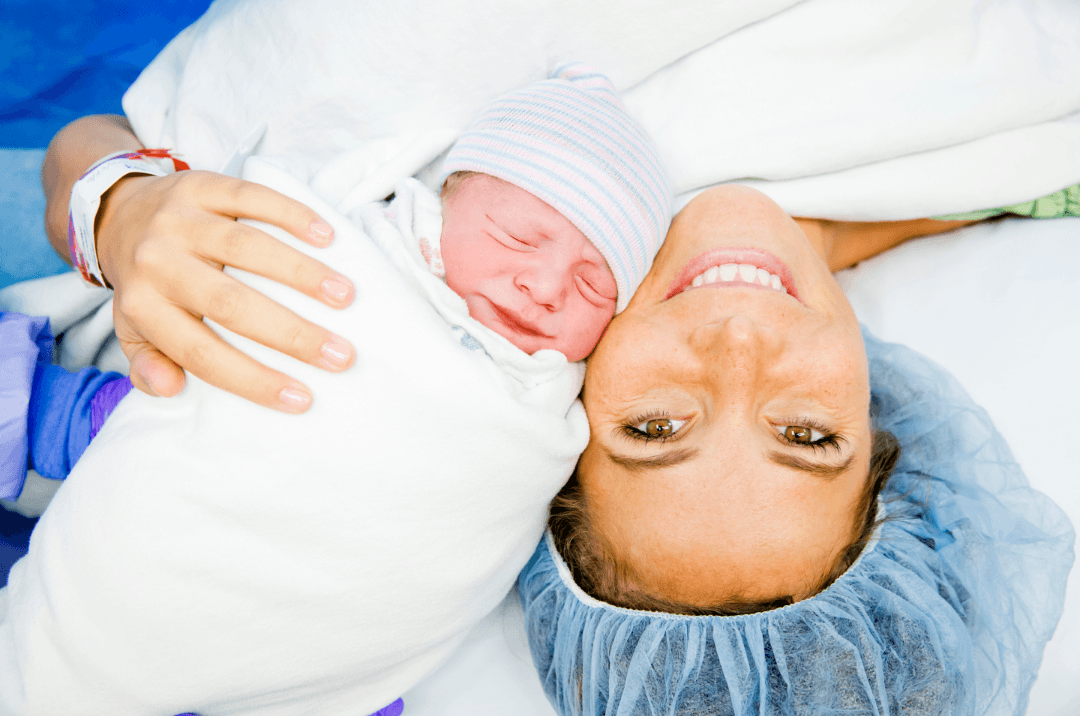
Bringing a baby into the world is a major life event, and when delivery happens through cesarean birth, recovery involves healing from surgery while also caring for a newborn. Nearly one in three births in the United States occurs via cesarean section, making C-section recovery tips an important topic for many new parents.
A cesarean birth is a surgical procedure that requires thoughtful healing and self-care. Understanding what to expect, how to care for your body, and when to seek medical support can make a significant difference in your recovery experience. From the cesarean recovery timeline to incision care and emotional healing, the following guidance can help support a smoother postpartum recovery.
What to Expect After a C-Section
Recovery after a cesarean section happens gradually. While every person heals at their own pace, understanding the general cesarean recovery timeline can help you prepare for what’s ahead.
First 24–48 Hours
Immediately after surgery, you’ll typically remain in the hospital for monitoring and support.
During this time, you may experience:
- Abdominal soreness and tenderness
- Vaginal bleeding (lochia) similar to vaginal birth
- Swelling in the legs and feet
- Fatigue from surgery and labor
- Gas discomfort or bloating
Nurses will usually encourage gentle movement within the first day after surgery. Sitting up, standing, and taking short walks can improve circulation and help prevent blood clots. Although movement may feel uncomfortable initially, light mobility is an important part of early recovery.
You’ll also likely receive pain medication and guidance on caring for your incision before leaving the hospital.
Week 1
The first week at home is often the most physically demanding stage of recovery.
Common experiences include:
- Continued abdominal soreness
- Difficulty standing fully upright
- Ongoing bleeding that gradually lightens
- Fatigue due to surgery, hormone changes, and newborn care
Many people notice swelling around the abdomen and incision area during this time. It’s important to rest frequently while still taking short walks around your home to promote healing.
During this early phase of after C-section care, lifting should be limited to your baby only. Avoid lifting anything heavier than your newborn.
Weeks 2–6
As the weeks progress, most people begin to feel gradual improvement.
You may notice:
- Reduced pain and swelling
- Increased energy levels
- Incision healing and fading redness
- Lighter postpartum bleeding
However, healing is still ongoing internally. The uterus and abdominal muscles continue repairing themselves throughout the first six weeks.
Even if you feel better, strenuous exercise, heavy lifting, and intense activity should still be avoided until cleared by your healthcare obgyn.
Managing Pain Safely After a C-Section
Pain management plays an important role in recovery. Surgical healing, uterine contractions, and abdominal muscle strain can all contribute to discomfort.
Fortunately, several approaches can help with postpartum pain management while supporting safe healing.
Medication Options
Your provider may recommend:
- Acetaminophen (Tylenol)
- Ibuprofen (Advil or Motrin)
- Short-term prescription pain medication if needed
Many commonly used medications are considered safe during breastfeeding after cesarean but always follow your provider’s instructions before taking any medication.
Abdominal Support
A postpartum abdominal binder can help support healing tissues and reduce strain on the incision area. These garments gently stabilize the abdominal muscles, making movement and walking more comfortable.
Ice and Heat
Cold therapy can help reduce swelling and numb discomfort near the incision during the first few days.
Helpful tips include:
- Use an ice pack wrapped in cloth
- Apply for 10–15 minutes at a time
- Avoid placing ice directly on the incision
Later in recovery, warm compresses may help relieve muscle soreness in the back and shoulders from holding and feeding your baby.
Caring for Your Incision and Supporting Scar Healing
Proper incision care is one of the most important aspects of C-section scar healing.
Keeping the Area Clean
Your incision should remain clean and dry to prevent infection.
Most providers recommend:
- Gently washing the area with mild soap and water
- Patting the incision dry (never rubbing)
- Wearing loose, breathable clothing
Avoid soaking in baths, pools, or hot tubs until your provider confirms the incision is fully healed.
Monitoring for Changes
It’s normal for the incision to appear slightly pink and tender in the early days. However, you should contact your provider if you notice:
- Increasing redness
- Warmth around the incision
- Pus or unusual discharge
- Opening of the incision
Supporting Scar Healing
Once the incision has fully closed and your provider approves, gentle scar care may help improve healing.
Options may include:
- Scar massage to improve flexibility of the tissue
- Silicone gel sheets or scar creams
- Gentle stretching of surrounding muscles
Scar massage is typically introduced several weeks after surgery and should only begin once the incision is fully healed.
How to Move Safely (Without Slowing Healing)
Movement can feel intimidating after surgery, but gentle activity actually supports healing.
The key is learning how to move in ways that protect the abdominal muscles and incision.
Getting Out of Bed
One helpful technique is the “log roll” method:
- Roll onto your side.
- Bend your knees slightly.
- Use your arms to push your body upright while swinging your legs off the bed.
This movement avoids direct strain on the abdominal muscles.
Walking
Short walks are one of the best ways to support circulation and reduce the risk of complications.
Walking can help:
- Improve blood flow
- Reduce swelling
- Support digestion
- Boost mood
Start with slow, short walks and gradually increase your distance as you feel comfortable.
Lifting Restrictions
For the first several weeks, avoid lifting anything heavier than your baby. Heavy lifting can strain healing tissues and increase the risk of complications.
Driving
Driving is usually safe again when you can:
- Turn your body comfortably
- Press the brake pedal without pain
- Stop taking prescription pain medication
This typically occurs around two to three weeks after surgery but always confirm with your healthcare provider.
Supporting Your Pelvic Floor After a Cesarean Birth
Many people assume pelvic floor recovery is only necessary after vaginal delivery. In reality, the pelvic floor after C-section can still be affected by pregnancy and birth.
During pregnancy, the pelvic floor muscles support the growing uterus and baby. This prolonged pressure can weaken these muscles, even without vaginal delivery.
Pelvic floor therapy may help address:
- Urinary leakage
- Pelvic pressure or heaviness
- Core weakness
- Lower back discomfort
A pelvic floor physical therapist can guide safe exercises to strengthen muscles while protecting the healing abdominal wall.
This type of therapy is often an overlooked but valuable part of comprehensive postpartum recovery.
Breastfeeding Comfortably After a C-Section
Learning breastfeeding after cesarean can come with unique challenges, especially while recovering from surgery.
Positioning the baby in ways that protect your incision can make feeding much more comfortable.
Football Hold
In this position:
- The baby rests along your side under your arm
- Your arm supports the baby’s head and neck
- The baby’s body stays away from your incision
This hold is one of the most recommended positions after cesarean birth.
Side-Lying Position
Lying on your side while nursing can also relieve pressure on the abdomen.
This position allows both you and your baby to rest while feeding.
Milk Production Timing
After cesarean delivery, milk may take slightly longer to come in due to the stress of surgery and medications.
Frequent skin-to-skin contact and regular feeding attempts can help encourage milk production.
Lactation consultants can provide valuable support during this early phase.
Nutrition and Hydration for Faster Recovery
Healing from surgery requires additional nutrients. Focusing on a balanced diet can support tissue repair, immune function, and energy levels.
Protein for Tissue Repair
Protein helps rebuild muscle and surgical tissue.
Good sources include:
- Eggs
- Chicken or fish
- Greek yogurt
- Beans and lentils
- Tofu
Fiber to Prevent Constipation
Constipation is common after surgery due to medications, reduced activity, and hormonal changes.
Fiber-rich foods can help regulate digestion, including:
- Whole grains
- Fruits like berries and pears
- Vegetables such as broccoli and spinach
- Oats and chia seeds
Hydration
Drinking plenty of water supports healing and milk production.
Aim for at least 8–10 glasses of water daily, or more if breastfeeding.
Emotional Recovery Matters, Too
Physical healing is only part of the postpartum experience. Emotional recovery deserves equal attention.
Some parents feel relief after a cesarean birth, while others may experience disappointment or grief if the surgery was unexpected.
Feelings sometimes associated with cesarean birth include:
- Birth trauma
- Loss of control during labor
- Anxiety about surgery
- Difficulty processing the birth experience
These feelings are valid and common.
Talking with a trusted provider, counselor, or support group can help process emotions and strengthen mental health during the postpartum period.
If you notice persistent sadness, anxiety, or difficulty bonding with your baby, it may be helpful to speak with a healthcare professional.
Warning Signs You Shouldn’t Ignore
Although most cesarean recoveries proceed smoothly, certain symptoms require immediate medical attention.
Contact your healthcare provider right away if you experience:
- Fever over 100.4°F
- Heavy vaginal bleeding that soaks a pad within an hour
- Increasing redness or discharge from the incision
- Opening of the incision
- Severe abdominal pain
- Calf pain or swelling in one leg
- Shortness of breath
- Signs of infection such as chills or worsening pain
Prompt treatment can prevent serious complications.
When to Schedule Your Postpartum Follow-Up
Postpartum care typically includes a follow-up visit within six weeks after delivery.
However, many providers now recommend earlier check-ins, especially following cesarean birth.
Your provider may schedule:
- An incision check within the first two weeks
- A comprehensive postpartum visit at six weeks
These appointments allow your care team to evaluate healing, address concerns, and discuss recovery goals.
If you experience pain, emotional distress, or difficulty with breastfeeding before your scheduled visit, don’t hesitate to reach out sooner.
Contact Women’s Health Arizona Today!
Recovering from a cesarean birth takes time, patience, and the right support. Every recovery experience is unique, and personalized guidance can make a meaningful difference.
At Women’s Health Arizona, our experienced providers understand the physical and emotional aspects of postpartum healing. Whether you have questions about after C-section care, incision healing, pelvic floor recovery, or breastfeeding support, our team is here to help.
If you recently delivered or are preparing for birth, we encourage you to connect with a provider to discuss your postpartum care plan.
Contact Women’s Health Arizona today to schedule your postpartum visit and receive expert guidance for a healthy recovery.