
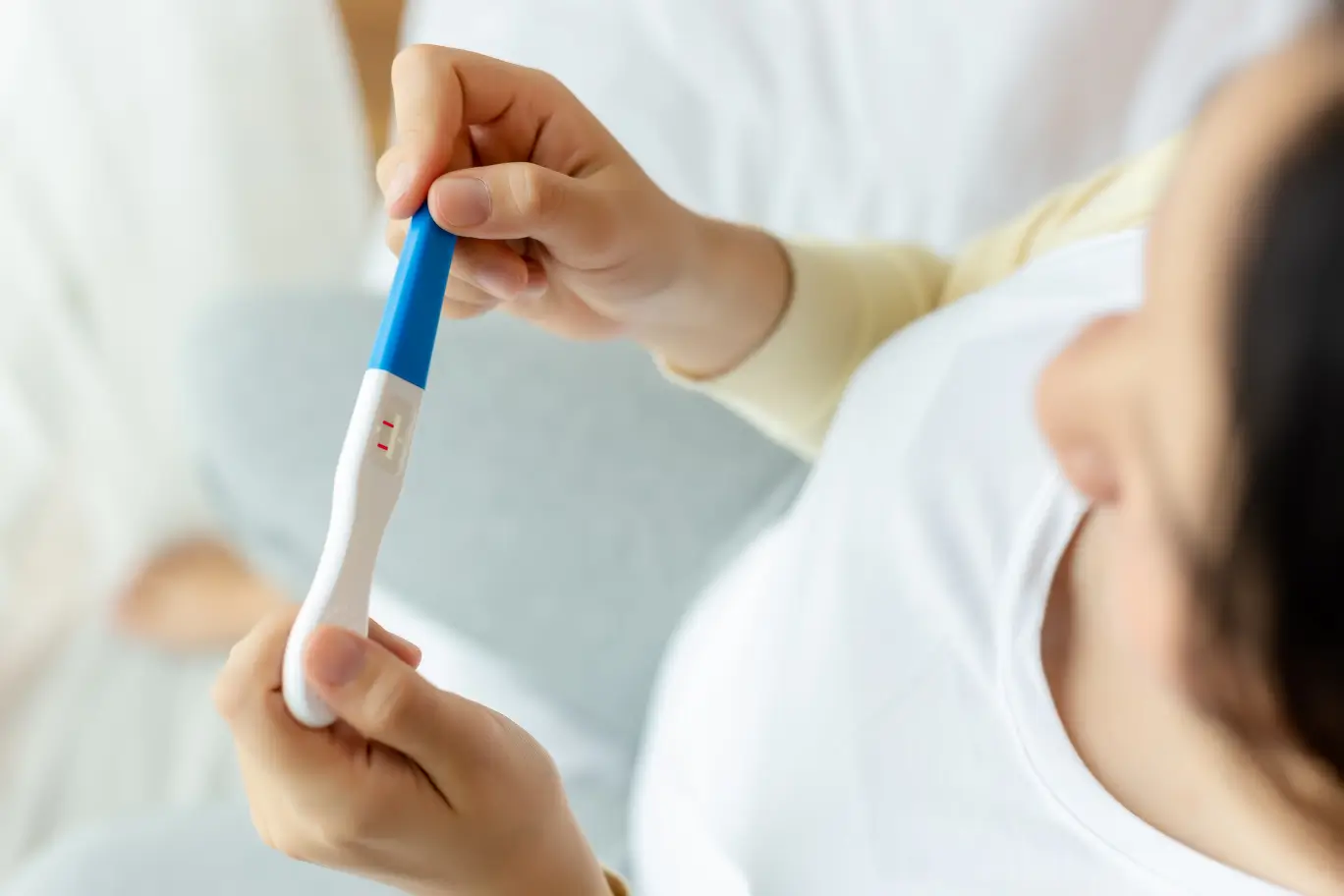
Recognizing the early signs of pregnancy can be an exciting—and sometimes overwhelming—experience. For many people, the first trimester of pregnancy brings a mix of physical changes, emotional shifts, and important decisions about care, lifestyle, and when to share the news with friends and family. While every pregnancy is different, understanding what’s typical in early pregnancy can help you feel more confident and prepared during this important trimester of pregnancy.
Below, we’ll walk through when early pregnancy symptoms begin, how to tell pregnancy symptoms apart from PMS, what to expect week by week, and when it’s time to talk with your doctor.
How Soon Do Pregnancy Symptoms Start?
Pregnancy symptoms can begin surprisingly early—sometimes even before a missed menstrual cycle. For many people, early pregnancy symptoms start about 1–2 weeks after conception. This is when pregnancy hormones, particularly human chorionic gonadotropin (hCG), begin increasing in the body.
However, timing varies widely. Some people notice signs of pregnancy almost immediately, while others don’t feel different until several weeks into the first trimester. Factors such as your medical history, overall health conditions, hormone sensitivity, and prior pregnancies can all influence how soon symptoms appear.
Common early changes may involve the digestive system, energy levels, emotions, or appetite. It’s also completely normal to feel nothing at all during the early weeks—absence of symptoms does not mean something is wrong.
Most Common Early Signs of Pregnancy
The early signs of pregnancy can look different from person to person, but several symptoms are commonly reported during the first trimester.
Missed Period
A missed period is often the first noticeable sign of pregnancy, especially if your menstrual cycle is typically regular. However, stress, illness, or hormonal changes can also delay a period, which is why confirmation with a pregnancy test is important.
Fatigue
Feeling unusually tired is one of the most common early pregnancy symptoms. Rising progesterone levels and changes in metabolism can leave you feeling drained, even after a full night’s sleep.
Morning Sickness and Nausea
Despite the name, morning sickness can happen at any time of day. Nausea—with or without vomiting—is linked to pregnancy hormones and changes in the digestive system. Some people experience mild queasiness, while others have more persistent symptoms.
Breast Changes
Tenderness, swelling, or darkening of the areolas can occur early as your body prepares for pregnancy-related changes.
Mood Swings and Emotional Changes
Hormonal fluctuations may lead to mood swings, increased sensitivity, or feeling anxious. Emotional ups and downs are common and completely normal during early pregnancy.
Frequent Urination
Increased blood flow and hormonal changes can put pressure on the bladder, causing more frequent trips to the bathroom.
Pregnancy Symptoms vs PMS: How to Tell the Difference
Many early signs of pregnancy overlap with premenstrual syndrome (PMS), making it tricky to tell the difference at first.
Similar symptoms include:
- Breast tenderness
- Bloating
- Fatigue
- Mood swings
Key differences may include:
- Missed menstrual cycle (more suggestive of pregnancy)
- Persistent nausea or food aversions
- Heightened sense of smell
- Symptoms that continue or intensify rather than resolve
If symptoms persist beyond when your period is expected, taking a pregnancy test is the best next step.
First Trimester Timeline: What to Expect Week by Week
The first trimester of pregnancy spans weeks 1–12 and includes many rapid changes.
Weeks 1–4
Pregnancy is dated from the first day of your last menstrual cycle, even though conception occurs later. Early symptoms may be mild or nonexistent. Implantation may cause light spotting or cramping.
Weeks 5–6
hCG levels rise quickly, and early pregnancy symptoms such as fatigue, nausea, and breast tenderness often begin. Many people take their first pregnancy test during this time.
Weeks 7–8
Morning sickness may peak, and mood swings can become more noticeable. Your digestive system may slow down, leading to constipation or bloating.
Weeks 9–10
Hormonal changes continue, and your uterus begins expanding. You may feel increased pressure in the pelvic area or notice changes in appetite.
Weeks 11–12
Some symptoms—like nausea—may start to ease as hormone levels stabilize. Many patients have their first prenatal care visit around this time, where a due date is confirmed.
When to Take a Pregnancy Test
For the most accurate result, it’s best to take a pregnancy test after your missed period. Home tests detect hCG in urine, which increases rapidly in early pregnancy.
Tips for reliable results:
- Test first thing in the morning when urine is most concentrated
- Follow package instructions carefully
- If negative but symptoms persist, retest in a few days
Blood tests performed by a provider can detect pregnancy earlier and measure hormone levels more precisely.
When Early Pregnancy Symptoms Are a Cause for Concern
While most early pregnancy symptoms are normal, some signs warrant prompt medical attention.
Contact your provider if you experience:
- Heavy bleeding or passing clots
- Severe or one-sided abdominal pain
- Persistent vomiting leading to dehydration
- Fever or chills
- Dizziness or fainting
These symptoms may be related to underlying health conditions, infections, or complications that need evaluation.
What to Do After a Positive Pregnancy Test
A positive pregnancy test marks the beginning of an important journey toward a healthy pregnancy.
Schedule a Prenatal Appointment
Contact your ObGyn or midwife to begin prenatal care. Early visits help review your medical history, medications, screen for sexually transmitted infections (STIs), and address any existing health conditions.
Start or Continue a Prenatal Vitamin
Taking a daily prenatal vitamin with folic acid supports early fetal development and reduces the risk of certain birth defects.
Review Medications and Lifestyle
Discuss any medications, supplements, or chronic conditions with your provider. Avoid alcohol, smoking, and recreational drugs, and focus on balanced nutrition and hydration.
Plan When to Share the News
Deciding when to tell friends and family is a personal choice. Some people share right away, while others wait until later in the first trimester.
Manage Stress and Emotional Health
Feeling anxious is common in early pregnancy. Prioritize rest, gentle movement, and open communication with your care team.
Contact Women’s Health Arizona Today!
Understanding the early signs of pregnancy is the first step toward confident, informed care. Whether you’re newly pregnant or think you might be, the experienced providers at Women’s Health Arizona are here to support you through every trimester of pregnancy.
From confirming your due date to building a personalized prenatal care plan, our team is committed to helping you feel informed, supported, and empowered from the very beginning.
Schedule your first prenatal appointment today and take the next step toward a healthy pregnancy.